



Does Spirulina Help Build Muscle?
, by The ENERGYbits® Team, 10 min reading time
, by The ENERGYbits® Team, 10 min reading time
Spirulina is 60 to 70 percent complete protein by weight and contains all nine essential amino acids, but a realistic daily serving delivers only a few grams of protein. Here is the honest answer on where algae fits in a muscle-building plan.
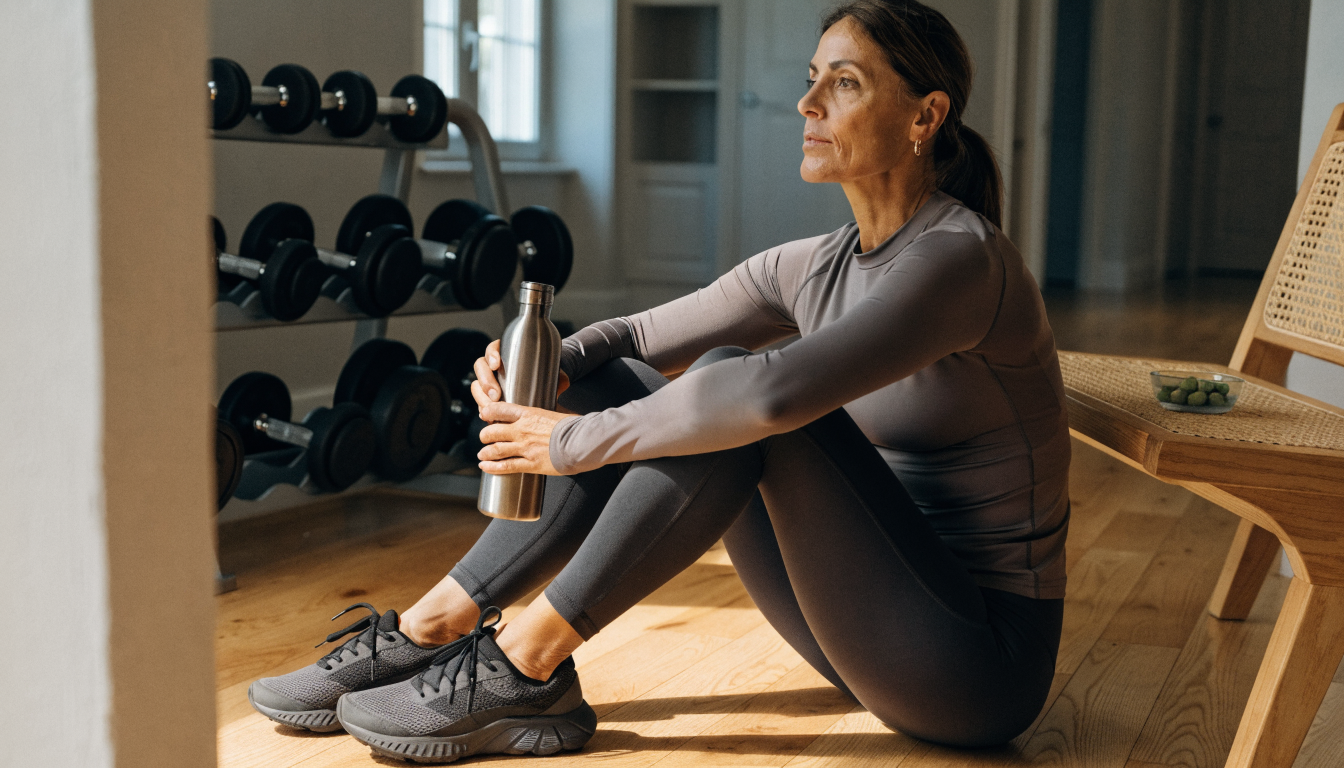
Spirulina supports the work you put in. It does not replace the protein you eat.
If you have ever read a spirulina label and seen "60 to 70 percent protein," it is fair to wonder whether this small green algae could quietly do the job of a protein shake. The percentage is genuinely impressive. The portion size is where honesty matters, and most articles on this topic skip it.
Here is the straight version: what is in spirulina's protein, what it can realistically do for a lifter or a runner, and how to use it without kidding yourself about the numbers.
By dry weight, spirulina is roughly 60 to 70 percent protein, a higher share than beef, eggs, or beans. More useful than the headline number is the quality: spirulina is a complete protein, meaning it contains all nine essential amino acids your body cannot manufacture on its own.
That includes the three branched-chain amino acids most associated with training: leucine, isoleucine, and valine. It also contains a full spread of the non-essential aminos, plus the pigment protein phycocyanin, which is one of the compounds researchers study for its antioxidant activity. We unpack the amino acid science in more detail in is spirulina a complete protein.
Of the nine essentials, leucine is the one muscle researchers watch most closely. Leucine acts as a signal that helps switch on muscle protein synthesis, the repair and rebuild process that follows training. Research generally points to somewhere around 2 to 3 grams of leucine in a single feeding to trigger that signal strongly.
Spirulina is about 5 percent leucine by weight. A 10 gram serving therefore supplies roughly half a gram. That is a genuine contribution to your daily total, and it is not nothing. It is also clearly not a standalone trigger for muscle protein synthesis. This is the honest ceiling of algae as a muscle-building protein, and any brand that tells you otherwise is selling rather than explaining.
Percentages flatter. Servings tell the truth. Here is how a realistic daily amount of spirulina compares with the protein sources people actually build muscle on.
| Source | Typical serving | Protein per serving | Best for |
|---|---|---|---|
| Spirulina (starter amount) | 3 g, about 10 tablets | About 2 g | Micronutrient density, easy daily habit |
| Spirulina (full daily amount) | 10 g, about 30 tablets | About 6 to 7 g | Meaningful add-on protein plus iron and B vitamins |
| Whey protein isolate | 30 g scoop | 24 to 27 g | Fast-digesting, high-leucine post-workout protein |
| Pea protein | 30 g scoop | 21 to 24 g | Plant-based bulk protein for shakes |
| Chicken breast | 100 g cooked | About 31 g | Whole-food protein at meals |
Read that table honestly and the conclusion is simple. One scoop of whey delivers three to four times the protein of a generous daily serving of spirulina. What spirulina delivers that whey does not is a dense package of iron, B vitamins, chlorophyll, and antioxidants riding along with those amino acids. For the exact gram-by-gram maths, see how much protein is in spirulina.
Think of spirulina as training support rather than training fuel. Three things stand out.
Iron for oxygen delivery. Spirulina is one of the richest plant sources of iron, and iron is central to carrying oxygen to working muscle. Athletes, and particularly women who train hard, are a group where iron intake often runs low.
B vitamins for energy metabolism. The B vitamins in spirulina take part in the pathways that convert food into usable cellular energy, which is one reason people report a steadier, caffeine-free lift. We go deeper on that in does spirulina give you energy.
Antioxidants and recovery. Hard training generates oxidative stress. Early research on spirulina's antioxidant compounds suggests they may support the body's normal response to exercise-induced oxidative stress. More on the athletic research picture in spirulina for athletes.
The practical approach is to keep your protein plan intact and layer spirulina on top of it.
Start with your total: most people training for muscle aim for roughly 1.6 to 2.2 grams of protein per kilogram of bodyweight per day, spread across three or four feedings. Hit that with food and, if you use one, a protein powder. Then take spirulina in the morning or before training as your micronutrient layer, at 3 grams to start and building toward 10 grams daily as your body adjusts.
A simple day might look like this: spirulina with water in the morning, a protein-forward breakfast, a normal lunch, whey or pea protein after your session, and a whole-food dinner. Spirulina fills the nutrient gaps around the edges. Your protein sources do the heavy lifting.
One ingredient, zero fillers: organically grown spirulina, third-party tested, delivering complete protein, iron, and B vitamins in every tablet. Take it alongside your protein, not instead of it.
Shop ENERGYbits® Spirulina →Spirulina will not add pounds of muscle by itself, and no supplement does. What it may realistically do is round out a diet that is already working: more iron, more B vitamins, more antioxidants, and a few extra grams of high-quality complete protein per day.
Give it four to eight weeks of consistent daily use alongside consistent training and adequate total protein. If something changes for you, it is far more likely to show up as steadier energy through a session than as a number on the scale.
Join our newsletter for a simple plan to work algae into your training week, plus subscriber-only offers.
Send me the guide →No. A generous 10 gram serving of spirulina provides roughly 6 to 7 grams of protein, while a standard scoop of whey or pea protein provides 21 to 27 grams. Spirulina is best used as a nutrient-dense addition alongside your existing protein sources.
Most people start at about 3 grams a day, roughly 10 tablets, and build toward 10 grams daily over a few weeks. Taking it in the morning or before training suits most routines.
Yes. Spirulina is a complete protein, containing all nine essential amino acids, including the branched-chain amino acids leucine, isoleucine, and valine.
Morning or 30 to 60 minutes before training works well for most people, since the iron and B vitamins support energy metabolism during your session. Post-workout is fine too, though your recovery protein should come from a higher-protein source.


