


Is Chlorella Keto Friendly? Carbs and Macros Explained
, by The ENERGYbits® Team, 10 min reading time
, by The ENERGYbits® Team, 10 min reading time
Chlorella is keto friendly: a 3 gram serving carries roughly 0.6 grams of total carbohydrate and well under one gram of net carbs. Here is the full macro math.
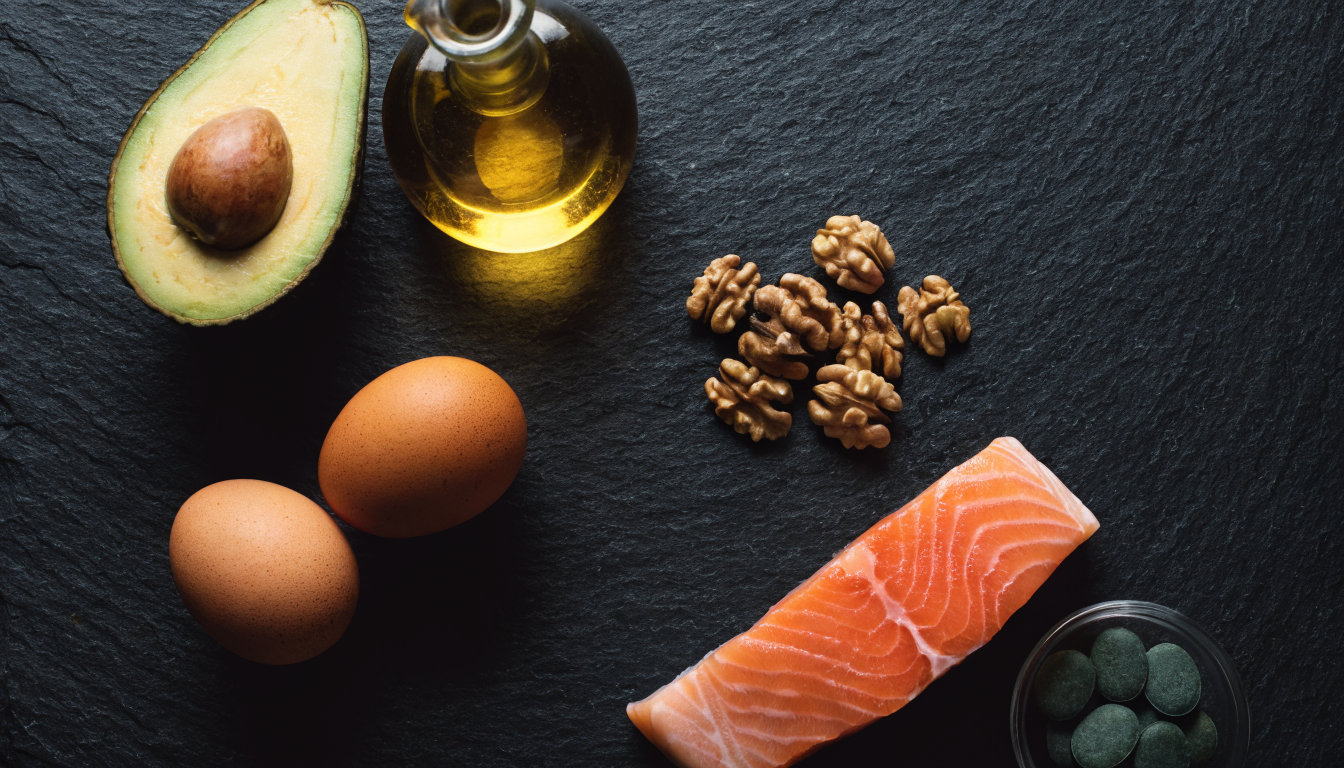
Keto staples cover the fat and protein, but the greens and fiber are usually what go missing.
If you track carbs to the gram, you have probably learned to distrust anything green and powdered. Most greens products are a black box: a long ingredient list, a vague scoop, and a carb number that looks like it was rounded down out of optimism. So the question is a fair one. Does chlorella actually fit inside a strict carb budget, or is it one more thing you have to log and worry about?
The honest answer is that chlorella is one of the easier supplements to fit into a ketogenic diet, mostly because the serving size is so small and the carbohydrate it does contain is largely indigestible. Here is the math laid out so you can check it against your own targets. If you are also weighing the other algae, we worked through whether spirulina is keto friendly in a separate piece.
Yes. Chlorella is roughly 20 percent carbohydrate by dry weight, which sounds significant until you remember how little of it you take. Three grams, a common daily amount, works out to about 0.6 to 0.7 grams of total carbohydrate. A good portion of that is cellulose fiber from the rigid cell wall, which your body does not break down for energy, so net carbs land around 0.3 grams.
For context, that is less carbohydrate than a single blueberry. A 3 gram serving uses somewhere between one and two percent of a 20 to 30 gram daily allowance. It does not meaningfully move blood sugar and it does not knock you out of ketosis. The reasoning is similar if you are eating in a window rather than counting macros, which we cover in does chlorella break a fast.
Chlorella is a single celled freshwater algae, and its composition is unusual for a plant food. By dry weight it runs roughly 55 to 60 percent protein, which is why it gets talked about as a protein source even though nobody is eating it by the spoonful. Carbohydrate makes up about 20 percent, and much of that is indigestible cellulose from the cell wall rather than starch or sugar. Fat sits around 10 to 15 percent and includes a small amount of omega-3. What is left is minerals, moisture, and chlorophyll, which is what gives chlorella that deep forest green color.
The percentages matter less than the scale they are applied to. Because you are working in grams rather than in portions the size of a meal, every macro in chlorella arrives in trace amounts. That is precisely why it slots into a strict plan so easily: it adds nutrients without adding numbers you have to account for.
Serving size is where most of the confusion starts, because brands label differently. Some list a single tablet, some list a scoop, some list a full daily amount. Here is the approximate math at three common amounts so you can match it to whatever you are actually taking. Treat these as close estimates rather than lab values, since composition shifts with strain, harvest, and growing conditions.
| Approximate amounts | 1 gram | 3 grams | 6 grams |
|---|---|---|---|
| Serving size | 1 g | 3 g | 6 g |
| Calories | about 4 | about 12 | about 25 |
| Total carbohydrate | 0.2 g | 0.6 g | 1.2 g |
| Fiber | 0.1 g | 0.3 g | 0.6 g |
| Net carbs | 0.1 g | 0.3 g | 0.6 g |
| Protein | 0.6 g | 1.7 g | 3.4 g |
| Fat | 0.1 g | 0.4 g | 0.8 g |
Keto diets tend to be light on leafy greens and lighter still on fiber. Meat, eggs, cheese, oil, and nuts can cover your calories comfortably while leaving you short on what vegetables normally supply, which is why sluggish digestion and a vague sense of being under-nourished are such common complaints in the first couple of months. Chlorella is a way to put some of that back without touching your carb budget.
It supplies chlorophyll, magnesium, iron, and a small but real amount of fiber, along with B vitamins and complete protein. Research suggests the cell wall fiber is associated with better regularity, which tends to be the first thing keto eaters notice. It is also worth saying plainly that chlorella is not a fat burner, whatever the marketing around green supplements implies, and we look at what the evidence actually shows in does chlorella help with weight loss.
RECOVERYbits chlorella tablets are one ingredient: cracked cell wall chlorella, pressed and nothing else. No maltodextrin, no rice flour, no sweeteners, so the macros on the panel are the macros you get.
Shop RECOVERYbits ChlorellaTwo honest caveats. First, tablets are the cleaner choice on keto. Pure chlorella tablets are pressed algae and nothing more, but plenty of chlorella powders and greens blends add maltodextrin as a flow agent, rice flour as a filler, or sweeteners to make the taste tolerable, and those ingredients do carry carbohydrate. Read the ingredient panel rather than the front of the bag. This is the dirty keto trap of green powders: people assume anything labeled greens is macro neutral, when the carbs are coming from the fillers instead of the algae.
Second, chlorella is not a fat source. At roughly 0.4 grams of fat per 3 gram serving, it will not help you hit fat macros, so keep leaning on olive oil, avocado, eggs, and fatty fish for that. Treat chlorella as a micronutrient and fiber add-on, not a macro lever. On amounts, most people start near 1 to 3 grams a day with food and water and build gradually, and we break the ranges down in how much chlorella per day. If you log everything, entering about 12 calories and under half a gram of net carbs per 3 grams will keep your day honest.
Join our newsletter for plain-language guides on spirulina, chlorella, and everyday wellness.
SubscribeYes. A 3 gram serving of chlorella contains only about 0.6 to 0.7 grams of total carbohydrate, and because part of that is indigestible cell wall fiber, net carbs come in at roughly 0.3 grams. Against a daily ceiling of 20 to 30 grams, that is close to negligible, so chlorella fits comfortably inside a ketogenic diet.
Roughly 0.1 grams per 1 gram serving, 0.3 grams per 3 gram serving, and 0.6 grams per 6 gram serving. These are approximations, since carbohydrate and fiber content shift with strain and growing conditions, but the order of magnitude holds: you are logging a fraction of a gram, not whole grams.
No. There is not enough digestible carbohydrate in a normal serving to meaningfully raise blood sugar or stop ketone production. Chlorella is mostly protein, fiber, minerals, and chlorophyll, and the amounts involved are small enough that most people see no change in their readings after adding it.
Not always. Pressed tablets are usually pure algae with nothing added, while some powders and greens blends include maltodextrin, rice flour, or sweeteners that do carry carbohydrate. The algae itself is still low carb, but the fillers are not. Read the ingredient panel and count what is actually in the tub.


