


Chlorella vs Wheatgrass: Which Detox Green Wins?
, by The ENERGYbits® Team, 7 min reading time
, by The ENERGYbits® Team, 7 min reading time
Chlorella and wheatgrass are both nutrient dense greens, but they differ in protein, chlorophyll, and detox support. Here is how they compare and which one leads for binding and complete protein.
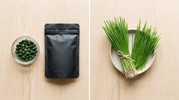
Two green favorites, one simple question: which fits your daily routine best.
Chlorella is a single celled freshwater green algae, harvested, dried, and pressed into small tablets so there is nothing to blend or brew. Wheatgrass is the young grass of the wheat plant, usually juiced fresh or dried into a powder. Both bring a deep green color that comes from chlorophyll, and both have earned loyal followings among people who want more plants in their day. If you are weighing the two, RECOVERYbits chlorella tablets offer a simple starting point that skips the prep entirely.
The differences matter once you look past the color. Chlorella is technically an algae, while wheatgrass is a cereal grass, and that changes their nutrient profiles, how the body handles them, and how you fit each into a busy week.
Chlorophyll is the pigment both greens are famous for, and research suggests it may support the body's natural detox pathways. Both chlorella and wheatgrass are rich sources. Chlorella tends to carry one of the highest chlorophyll concentrations of any food, while fresh wheatgrass juice delivers a vivid dose as well.
Protein is where the gap widens. Chlorella is roughly 50 to 60 percent protein by weight and provides all nine essential amino acids, making it a complete plant protein. Wheatgrass contains protein too, but far less per serving, and it is not typically counted on as a complete source. For people building meals around plants, that difference can add up. You can read more about daily amounts in our guide on how much chlorella per day.
This is where chlorella pulls ahead. Its cell wall has a structure that research suggests may help bind to certain heavy metals and support the body's own elimination processes. Wheatgrass offers antioxidants and chlorophyll, which are valuable, but it does not carry the same binding reputation. If gentle daily support is your goal, chlorella is the more targeted choice. We explore this more in does chlorella remove heavy metals and in our comparison of spirulina vs chlorella for detox.
| Feature | Chlorella | Wheatgrass |
|---|---|---|
| Source | Freshwater green algae | Young wheat grass |
| Protein | Complete, roughly 50 to 60 percent by weight | Lower, not a complete source |
| Chlorophyll | Very high | High |
| Detox binding | May support heavy metal binding | Antioxidant support, less binding |
| Vitamins and minerals | B vitamins, iron, vitamin A precursors | Vitamins A, C, E, and minerals |
| Typical form | Tablets, no prep | Fresh juice or powder |
| Convenience | Grab and go | Requires juicing or mixing |
Both greens are nutrient dense. Chlorella supplies B vitamins, iron, and vitamin A precursors, and it is often noted for its digestibility once its tough cell wall is broken during processing, which good quality chlorella already handles for you. Wheatgrass brings vitamins A, C, and E along with a spread of minerals. Some people find fresh wheatgrass juice intense on an empty stomach, while chlorella tablets tend to be easy to take with water. If digestion is a focus for you, our article on chlorella for gut health goes deeper.
Convenience often decides which habit sticks. Wheatgrass usually means owning a juicer or keeping powder on hand and mixing it fresh. Chlorella tablets ask nothing more than a glass of water, which makes them easy to keep up with while traveling or on busy mornings. If you care about liver focused support, our piece on whether chlorella is good for your liver is worth a read. Both greens can absolutely coexist in a routine, but for a low effort daily green, chlorella is hard to beat.
RECOVERYbits chlorella tablets are pure algae with nothing added, ready whenever you are. No blending, no juicing, no fuss.
Shop RECOVERYbits ChlorellaJoin our newsletter for simple, science backed ways to feel your best.
Sign upChlorella is often favored for detox because research suggests its cell wall may help bind to certain heavy metals and support the body's natural elimination. Wheatgrass offers antioxidants and chlorophyll but does not share the same binding reputation.
No. Chlorella is roughly 50 to 60 percent complete protein by weight, providing all nine essential amino acids. Wheatgrass contains far less protein per serving and is not typically counted as a complete protein source.
Yes, many people enjoy both. They offer overlapping benefits from chlorophyll and different vitamin profiles. If you want one low effort daily green, chlorella tablets are simpler since they require no juicing or mixing.
Chlorella tablets are the more convenient option for most routines. You simply take them with water, with no juicer or blending required, which makes a daily habit easier to maintain than fresh wheatgrass juice.


