


Chlorella Vulgaris vs Pyrenoidosa: What Is the Difference?
, by The ENERGYbits® Team, 9 min reading time
, by The ENERGYbits® Team, 9 min reading time
Chlorella vulgaris and pyrenoidosa differ in cell wall thickness, chlorophyll and Chlorella Growth Factor, but the differences are modest. Cell wall processing, growing conditions and third-party testing matter far more than the strain name on the label.
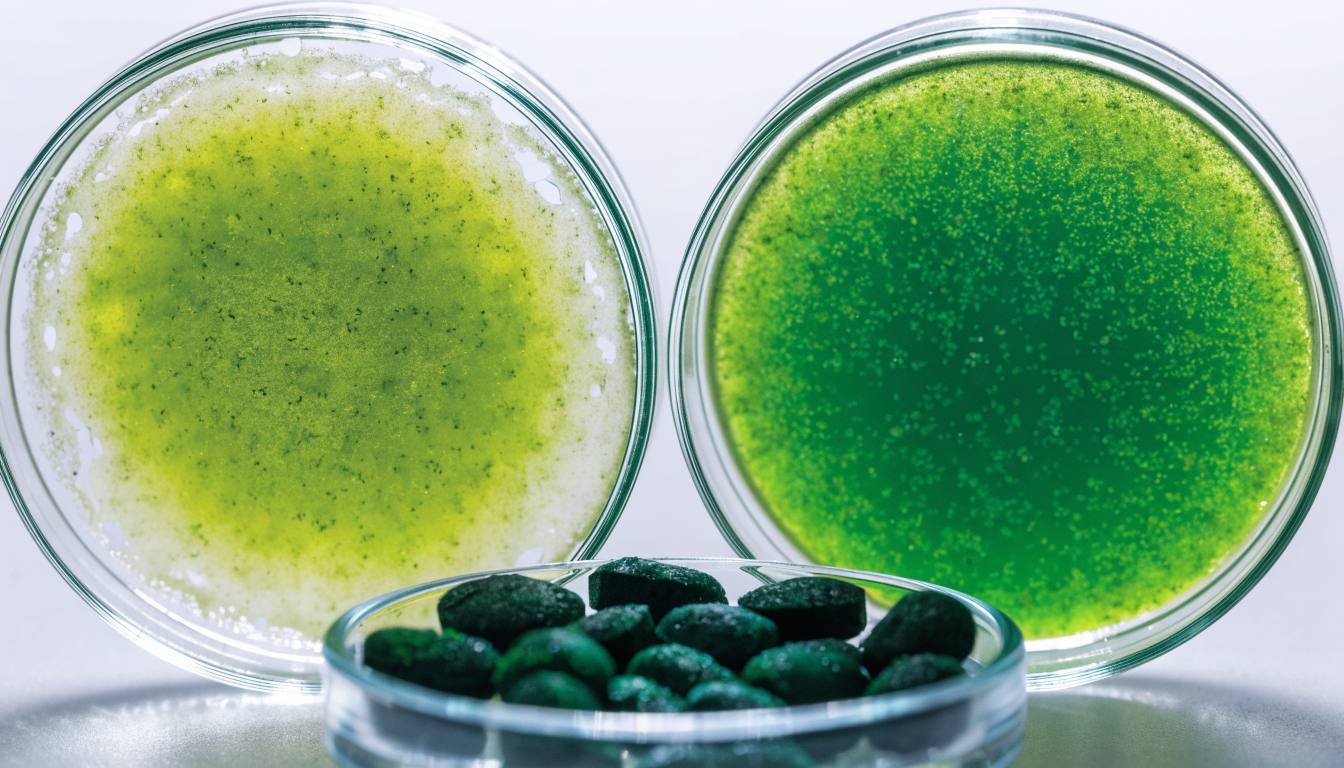
Two strain names dominate chlorella labels, and the difference between them is smaller than the marketing suggests.
If you have ever stood in front of two bags of chlorella trying to work out whether vulgaris or pyrenoidosa is the better buy, you are asking a reasonable question. The problem is that the answer you get depends almost entirely on which brand is doing the talking. Whoever sells vulgaris will tell you it is easier to digest. Whoever sells pyrenoidosa will tell you it is the serious detox strain. Both are half right, and both are leaving out the part that actually determines quality.
Chlorella is a genus, not a single organism. There are dozens of species and countless cultivated strains, but two names show up on nearly every label in the Western market: Chlorella vulgaris and Chlorella pyrenoidosa.
Vulgaris is the workhorse. It is the most widely cultivated chlorella in the world, it grows reliably, and it has been studied more than any other strain. Pyrenoidosa is the one with the reputation, largely because it was the strain used in several early Japanese studies and because it carries a thicker, more stubborn cell wall that marketers have turned into a selling point.
This is where things get genuinely messy, and most brands skip it. When algae taxonomy was redone using genetic sequencing rather than appearance alone, the name Chlorella pyrenoidosa lost its standing. Much of what was sold under that name has been reclassified, most often as Chlorella sorokiniana, and some of it turned out not to be Chlorella at all.
The commercial world did not follow. Suppliers kept the old name because customers recognize it, so today a bag labeled pyrenoidosa may contain sorokiniana, may contain something close to vulgaris, or may contain a blend. This is not necessarily deceptive, it is inertia. But it does mean the strain name on a label is a weaker signal than most people assume, and comparing two brands purely on that word is not a reliable exercise.
Here is the honest version, with the caveat that growing conditions shift these numbers as much as genetics does. Two batches of the same strain grown in different water, light and nutrient conditions can differ more from each other than vulgaris differs from pyrenoidosa.
| Attribute | Chlorella vulgaris | Chlorella pyrenoidosa |
|---|---|---|
| Cell wall | Thinner and generally easier to open | Thicker and tougher, processing is essential |
| Chlorophyll | High | Typically higher, often the headline claim |
| Chlorella Growth Factor | Usually reported higher | Present, usually reported lower |
| Taste | Milder, more grassy than marine | Stronger and more intensely green |
| Common marketing claim | "Gentler and more digestible" | "The detox strain" |
Notice that every row is a tendency, not a rule. The research comparing strains head to head in humans is thin, and most of what exists measures composition in a lab rather than outcomes in people. Anyone quoting you precise percentage advantages is quoting a single batch analysis, not a settled fact.
Chlorella builds a rigid cellulose wall that human digestion cannot break down. If that wall stays intact, most of the nutrition inside stays locked away and passes straight through you. This is the single most important variable in the entire category, and it is why the pyrenoidosa story is a little self-defeating: the thicker wall that gets marketed as a detox advantage is also the wall that makes proper processing non-negotiable.
Reputable producers open the wall mechanically, using pressure, sound waves or milling rather than chemicals. A well-processed vulgaris will outperform a poorly processed pyrenoidosa every time, no matter which name sounds more impressive. We break down the methods in our guide to broken cell wall chlorella.
Chlorella Growth Factor is a nucleotide and peptide rich fraction found in the cell, and vulgaris is generally reported to carry more of it. It is one of the more interesting components of the algae, though the research is still early. Our explainer on what Chlorella Growth Factor is covers what is known and what is not.
On detox, be careful with the language you are sold. Laboratory and animal research suggests chlorella's fibrous cell wall may bind certain heavy metals in the digestive tract, and that is genuinely intriguing. It is not the same as a proven human detox protocol, and neither strain has earned that claim. Chlorella is a nutrient dense food that may support your body's own processes, not a treatment.
RECOVERYbits is 100 percent chlorella with the cell wall opened mechanically, no chemicals, no fillers and no binders. Third-party tested so you know what you are swallowing.
Shop RECOVERYbits ChlorellaThree things outrank the strain name, and in this order. First, cell wall status. Look for the words broken, opened, cracked or pulverized, plus the method if the brand will tell you. Silence here is a red flag.
Second, where and how it was grown. Open ponds are cheaper but exposed to whatever lands in them and whatever is already in the water source. Controlled cultivation costs more and gives the producer command over inputs. Ask about the water, not just the country.
Third, third-party testing for heavy metals and microcystins, with results you can actually see. Chlorella is efficient at absorbing what surrounds it, which is a virtue in clean water and a liability in dirty water. After that, check the ingredient list for binders and fillers, then worry about the strain. If you are also weighing chlorella against its green cousin, our comparison of spirulina and chlorella is the better starting point, and our guide to how much chlorella per day covers serving size once you have chosen.
Join our newsletter for plain-language guides on spirulina, chlorella, and everyday wellness.
SubscribeNeither is clearly better. Vulgaris has a thinner cell wall, more Chlorella Growth Factor and a milder taste, while pyrenoidosa carries more chlorophyll and a tougher wall. For most buyers the strain name matters far less than whether the cell wall was properly opened, how the algae was grown, and whether the finished product is third-party tested.
That claim rests mostly on its higher chlorophyll content and thicker cell wall, not on head to head human research. Laboratory work suggests chlorella's fibrous wall may bind certain metals in the gut, but this applies to well-processed chlorella generally rather than to one strain. Treat detox marketing with healthy skepticism.
Because customers recognize it. Genetic sequencing moved much of what was called Chlorella pyrenoidosa into other species, most often Chlorella sorokiniana, but the commercial name stuck. That is why labels are inconsistent between brands and why comparing two products on strain name alone is unreliable.
Somewhat. Vulgaris tends toward a milder, grassier flavor while pyrenoidosa is usually stronger and more intensely green. Growing conditions, harvest timing and drying method affect taste at least as much as genetics does, so two bags of the same strain can taste noticeably different.


