



Does Chlorella Help With IBS and Irritable Bowel?
, by The ENERGYbits® Team, 7 min reading time
, by The ENERGYbits® Team, 7 min reading time
There is no strong clinical evidence that chlorella improves IBS. Here is an honest look at what chlorella offers the gut, why added fiber can be a trigger, and how to start very low and go slow with your doctor or dietitian.
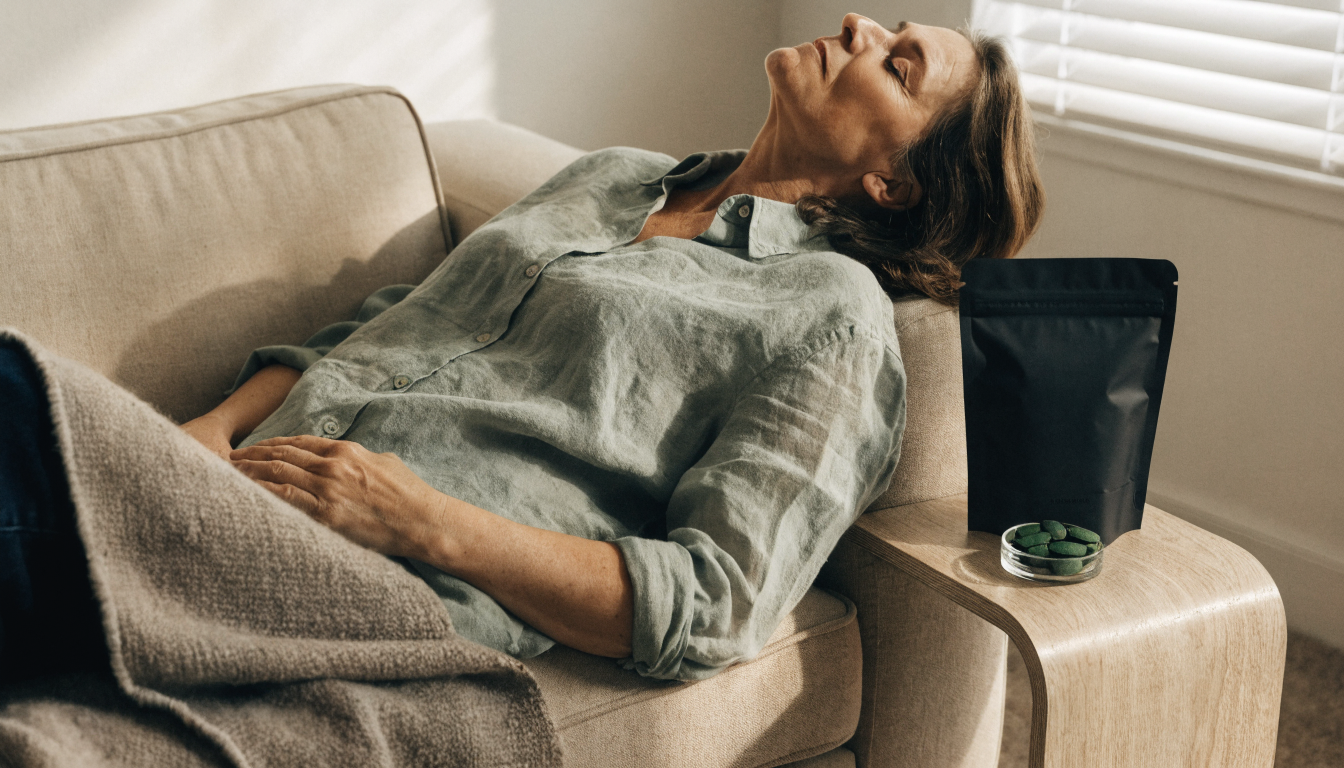
With IBS, the safest approach to any new food is small amounts and slow changes.
If you live with irritable bowel syndrome, you have probably read a lot of confident claims about supplements. We would rather be honest than persuasive, so here is the plain version of what chlorella can and cannot offer, and how to think about trying it carefully.
IBS is a diagnosed functional gut disorder involving abdominal pain along with changes in stool frequency or form. It shows up as diarrhea predominant, constipation predominant, or a mix, and the triggers differ enormously from person to person. Stress, sleep, hormones, specific carbohydrates, and meal timing can all play a role. That is exactly why no single food or supplement works across the board, and why a clinician who knows your history is more useful than any article.
Not specifically. Chlorella has been studied for things like cholesterol, antioxidant status, and general nutrition, but there is no meaningful body of clinical research showing it improves IBS symptoms. Anyone telling you chlorella treats, cures, or manages IBS is going beyond the science. What exists instead is broader research on fiber, chlorophyll, and the gut microbiome, which you can read about in our overview of chlorella and gut health.
Three things overlap with gut comfort. First, chlorella contains insoluble fiber and cell wall material that may act in a prebiotic-like way, feeding beneficial bacteria. We cover this in more detail in is chlorella a prebiotic. Second, it is rich in chlorophyll, the green pigment often associated with freshness and deodorizing effects. Third, some people report that a modest daily amount may support regularity, which is why readers often ask about chlorella for constipation and bloating. None of that is an IBS treatment. It is simply nutrition that may support a comfortable gut in some people.
Yes, for some people. Added fiber is a known trigger for certain IBS presentations, and a sudden jump in intake can cause gas, cramping, or looser stools. Chlorella is generally considered friendly at small servings on a low FODMAP style plan, but individual tolerance varies widely and no serving size is universally safe. The fix is not to push through. It is to start extremely low, increase slowly, and stop if symptoms worsen.
| Step | Cautious approach (IBS) | Typical approach |
|---|---|---|
| Start dose | 2 to 3 tablets once daily with food | 10 to 15 tablets daily |
| Ramp speed | Add 1 to 2 tablets every 5 to 7 days | Reach full serving within a week |
| What to watch for | Gas, cramping, urgency, stool changes | Mild, short-lived digestive adjustment |
| When to stop | Any worsening pain or pattern change, then call your clinician | Persistent discomfort beyond a week or two |
Tablets usually win for sensitive guts because they are easy to count. You know precisely how much you took, which makes a slow ramp and a symptom journal genuinely useful. Powder blends into smoothies but makes small, exact servings harder to judge, and it is easy to overshoot on a rough day. Whichever form you choose, drink plenty of water, since fiber without adequate hydration can make things less comfortable, not more.
RECOVERYbits® chlorella comes as pressed tablets with nothing added, so you can start with two or three and increase only when you are ready.
Shop RECOVERYbits® ChlorellaTalk to your doctor or a registered dietitian before you start, especially if you take medication or follow a structured elimination plan. Then change one variable at a time, keep a simple symptom journal covering dose, meals, stress, and stool patterns, and give each step at least five to seven days. If you want general context on amounts, see how much chlorella per day. If anything worsens, stop and check in with your clinician rather than adjusting on your own.
Join our newsletter for plain-language guides on spirulina, chlorella, and everyday wellness.
SubscribeThere is no strong clinical evidence that chlorella improves IBS. It may support general gut health through prebiotic-like fiber and chlorophyll, but it is not a treatment for IBS. Speak with your doctor or a registered dietitian before adding it.
Chlorella is generally considered low FODMAP friendly at small servings, but individual tolerance varies a great deal with IBS. Confirm with a registered dietitian who knows your plan before adding it.
Start very low, around two to three tablets once daily with food, and increase by one or two tablets only every five to seven days if you feel fine. Slow is the point.
It can for some people, because added fiber is a known trigger. If you notice more gas, cramping, urgency, or a change in your usual pattern, stop taking it and contact your clinician.


