



What Is the Most Nutrient-Dense Food in the World?
, by The ENERGYbits® Team, 9 min reading time
, by The ENERGYbits® Team, 9 min reading time
Nutrient density means nutrients per calorie, not nutrients per serving. Here is how spirulina, beef liver, kale, sardines, eggs, and seaweed actually compare.
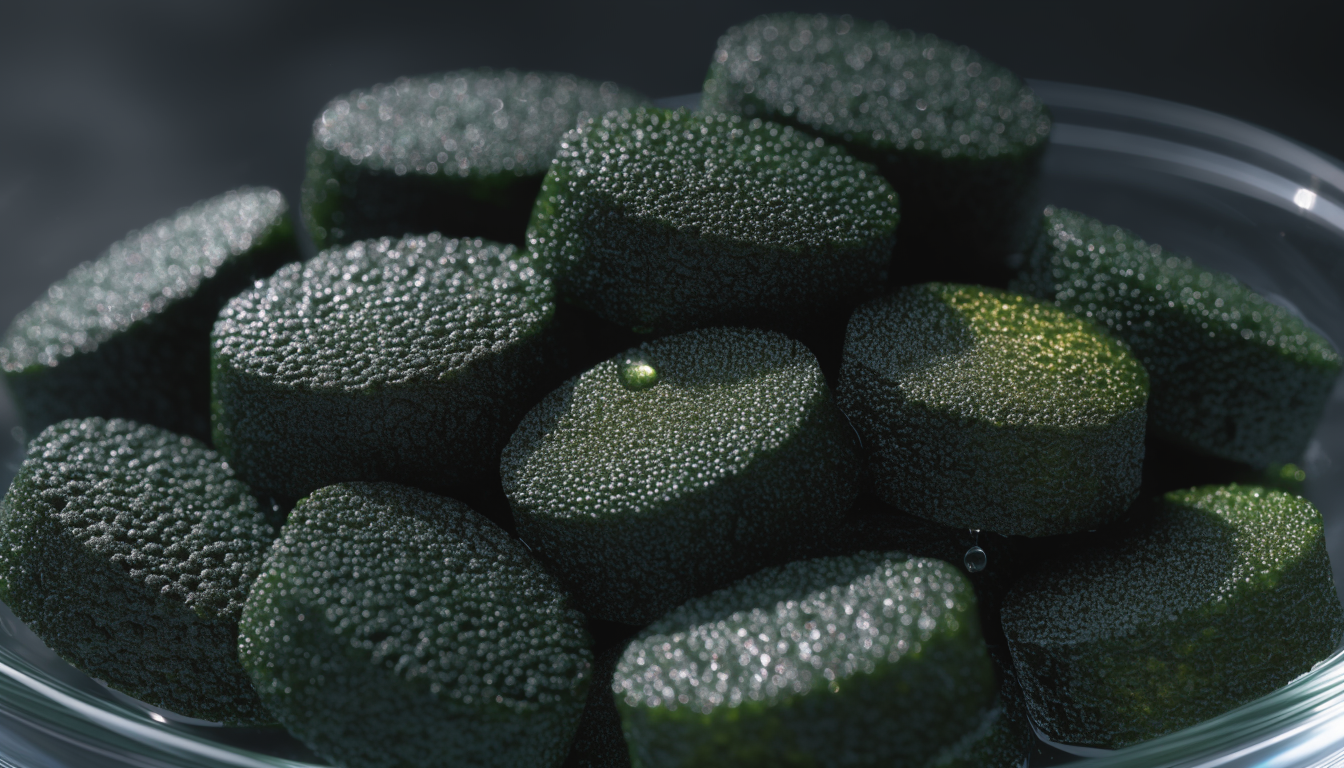
Nutrient density is a ratio, not a headline.
It is one of the most searched nutrition questions there is, and most answers skip the part that actually matters: what the phrase means. Get the definition right and the contenders sort themselves out quickly.
Nutrient density is a ratio. It compares the amount of beneficial nutrients in a food to the energy that food delivers. In plain terms, it is nutrients per calorie, not nutrients per serving. That distinction changes everything. Almonds are genuinely nutritious, but a handful carries roughly 160 calories, so their nutrient load arrives with a meaningful energy cost. A cup of spinach carries about seven calories and still supplies vitamin K, folate, and magnesium. Per serving, almonds look impressive. Per calorie, spinach is in another league.
This is also why marketing claims can mislead. A label boasting a long vitamin list tells you nothing until you know how many calories came along with it.
Several scoring systems exist and they disagree with each other. The Nutrient Rich Foods Index counts a set of nutrients to encourage, such as protein, fiber, vitamins, and minerals, then subtracts nutrients to limit, such as saturated fat, added sugar, and sodium, all standardized per 100 calories. The Aggregate Nutrient Density Index takes a broader approach and adds antioxidant and phytochemical measures, which pushes leafy greens to the top. Other researchers weight bioavailability, meaning how much of a nutrient your body can absorb rather than how much is simply present.
Each method is defensible. None is definitive. That is the honest reason no food holds an undisputed title.
The same short list appears in almost every serious ranking. Beef liver is extraordinary for vitamin A, B12, and copper, though its vitamin A load is concentrated enough that most guidance suggests moderate portions. Kale and spinach dominate antioxidant-weighted indexes because they cost almost nothing in calories. Sardines combine omega-3 fats, calcium, and B12 in one small tin. Eggs are unusually well rounded and supply choline, a nutrient many diets run short on. Seaweed brings iodine and trace minerals that land plants rarely carry.
Spirulina belongs in that conversation for a specific reason: it is roughly 60 percent protein by weight while remaining very low in calories, as our guide on how much protein is in spirulina explains in detail.
The table below uses a 10 gram serving for every food so the comparison is consistent. Figures are approximate and vary by source, preparation, and growing conditions.
| Food (10 g) | Calories | Standout nutrients | Notes |
|---|---|---|---|
| Spirulina | About 29 | Protein, iron, B vitamins, chlorophyll, phycocyanin | Roughly 6 g protein at very low calories |
| Beef liver (raw) | About 14 | Vitamin A, B12, copper, iron | Exceptional in a few nutrients, easy to overdo vitamin A |
| Kale (raw) | About 5 | Vitamin K, vitamin C, carotenoids | Very low calorie, minimal protein or minerals by weight |
| Sardines (canned) | About 21 | Omega-3 fats, calcium, B12, protein | Strong across fats and protein, contains sodium |
| Egg | About 14 | Choline, B12, complete protein | Well balanced rather than extreme in any category |
| Nori seaweed (dried) | About 13 | Iodine, folate, trace minerals | Iodine content varies widely between products |
Spirulina is a single-celled organism with no roots, stems, bark, or seeds. Almost every part of it is usable nutrition, which is unusual. It contains all nine essential amino acids, a point our article on whether spirulina is a complete protein covers carefully. It carries iron, several B vitamins, and dense chlorophyll. It also contains phycocyanin, the blue pigment that gives spirulina its distinctive color and that researchers study for antioxidant activity, described further in our explainer on what phycocyanin is.
All of that arrives at a very low energy cost. A one gram tablet contributes roughly three calories, which our breakdown of calories in spirulina puts in context. When the denominator of the nutrient density ratio is that small, the ratio gets large.
ENERGYbits is pure spirulina, nothing added, nothing extracted. One tablet is about one calorie, so you can add real nutrition to your day without adding a meal.
Shop ENERGYbits SpirulinaNot really, and anyone who names one with total confidence is usually selling something. Beef liver wins on vitamin A and B12. Kale wins on antioxidant-weighted scores. Sardines win on omega-3 fats. Spirulina wins on protein and minerals per calorie. Each of these foods also has gaps. Spirulina contains very little vitamin C, calcium, or fiber. Liver contains no vitamin C at all. Kale supplies almost no protein or fat.
No single food covers human nutritional needs, which is why every credible dietary framework still lands on the same advice: eat a variety of whole foods. Nutrient-dense foods are a way to raise the floor of your diet, not a replacement for it.
Treat nutrient density as a tie-breaker rather than a rulebook. When two options are similar in convenience and cost, choose the one delivering more nutrition per calorie. Add a handful of greens to meals you already eat. Keep sardines in the cupboard. Build a small daily habit around something concentrated, which is where algae fits neatly, since tablets require no preparation. If you are pregnant, nursing, taking medication, or managing a health condition, check with your healthcare provider before adding any new supplement.
Join our newsletter for plain-language guides on spirulina, chlorella, and everyday wellness.
SubscribeThere is no single official answer, because nutrient density means nutrients per calorie and different scoring systems rank foods differently. Beef liver, leafy greens, sardines, and algae such as spirulina consistently appear near the top of most rankings.
Per calorie. Nutrient density is a ratio comparing beneficial nutrients to the energy a food delivers. That is why a low calorie food like spinach can outrank a nutritious but calorie-heavy food like almonds.
It depends on the nutrient. Spirulina delivers far more protein, iron, and B vitamins per calorie, while kale scores higher on antioxidant-weighted indexes and vitamin K. Neither one covers everything.
No. Every food has gaps, including the highest scoring ones. Nutrient-dense foods are best used to strengthen an already varied diet rather than to replace whole food groups.


