


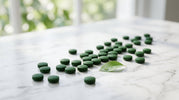
Algae Protein: The Complete Plant-Based Protein Source Your Body Actually Recognizes
, by ENERGYbits Team, 9 min reading time
, by ENERGYbits Team, 9 min reading time
Discover why algae protein is the cleanest, most bioavailable complete protein source. Compare algae vs whey vs pea protein for purity, absorption & nutrition.
When nutrition scientists classify a protein as "complete," they're looking for one thing: the presence of all nine essential amino acids that your body cannot manufacture on its own. These include leucine, isoleucine, valine, lysine, methionine, phenylalanine, threonine, tryptophan, and histidine.
Spirulina algae contains all nine essential amino acids in significant quantities. This places it in an elite category of plant-based proteins that most people assume is reserved for animal sources.
What makes spirulina particularly remarkable isn't just that it contains complete protein—it's the concentration and ratio of those amino acids. Per gram of protein, spirulina delivers:
This amino acid completeness answers a question I hear constantly: Is algae a good source of complete protein? The research-backed answer is yes—spirulina provides complete protein with all essential amino acids in bioavailable form, making it one of the most nutrient-dense protein sources available from any kingdom of life.
Consider this comparison. Beef contains approximately 26% protein by weight. Eggs deliver about 13%. Chicken breast comes in around 31%. Spirulina? It's 64% protein by dry weight.
This extraordinary protein density means that a small serving of algae tablets delivers meaningful protein without the bulk, processing, or digestive burden of traditional protein sources.
Protein content on a label tells you very little about what your body actually absorbs and utilizes. This is where bioavailability becomes the metric that matters—and where algae protein genuinely excels.
Bioavailability measures how much of a nutrient your body can actually absorb and use. A protein source might contain 30 grams of protein per serving, but if your body only absorbs 60% of it, you're really getting 18 grams of usable protein.
Spirulina demonstrates bioavailability rates between 85-95%, depending on the study and preparation method. Compare this to:
The secret lies in what algae doesn't have: the anti-nutrients and fiber structures that interfere with protein absorption in most plant sources.
Legumes contain phytates and lectins that bind to proteins and minerals, reducing absorption. Grains have similar issues. Most plant protein powders require extensive processing to isolate the protein from these compounds—processing that often damages the protein structure itself.
Spirulina's cellular structure is fundamentally different. Its cell walls are composed of soft mucopolysaccharides rather than the rigid cellulose found in plants, allowing for rapid nutrient release during digestion. Your body doesn't have to work hard to access the protein—it's immediately available.
When people ask about the cleanest protein source for avoiding processed supplements, they're usually concerned about several factors: ingredient lists, processing methods, contamination risks, and additive content.
Pick up any protein powder and read the ingredient list. You'll likely find:
Now consider algae tablets like PROTEINbits from ENERGYbits. The ingredient list? Spirulina. That's it. One ingredient. A whole food pressed into tablet form without heat, without fillers, without anything your body doesn't recognize as nutrition.
Most protein powders undergo high-heat processing that denatures proteins and destroys heat-sensitive nutrients. Whey protein, for example, is typically spray-dried at temperatures that fundamentally alter its molecular structure.
Quality algae supplements are produced differently. The spirulina in products like PROTEINbits is air-dried at low temperatures, preserving the protein structure, enzymatic activity, and heat-sensitive nutrients like B vitamins and chlorophyll.
The cleanest protein sources come with verification. Premium algae supplements undergo third-party testing for:
This matters enormously because algae, like any crop, reflects its growing environment. Algae grown in pristine conditions and rigorously tested delivers clean nutrition. Algae grown in contaminated water or processed carelessly can concentrate toxins.
This comparison deserves detailed attention because it addresses the practical decision most people face when choosing a protein source.
Processing: Whey is a byproduct of cheese manufacturing, requiring extensive processing to isolate the protein from lactose, fat, and other milk components. This typically involves acid treatment, high-heat drying, and the addition of flavors and sweeteners to make the final product palatable.
Purity concerns: Whey often contains residual lactose (problematic for the lactose intolerant), potential antibiotic residues from dairy farming, and added ingredients for taste and texture.
Digestibility: Many people experience bloating, gas, or digestive discomfort from whey protein due to lactose content or sensitivity to dairy proteins.
Algae advantage: Single ingredient, no dairy, no processing chemicals, no digestive burden for most people.
Processing: Pea protein isolate requires mechanical separation, wet processing, and often hexane extraction to isolate protein from the whole pea. The resulting powder is far removed from the original food.
Amino acid profile: Pea protein is low in methionine, making it an incomplete protein that typically needs to be combined with other sources.
Taste and additives: Pea protein has a distinctive taste that manufacturers mask with flavors, sweeteners, and other additives.
Algae advantage: Complete amino acid profile, whole food form, no extraction chemicals, no taste-masking additives needed.
When you choose algae as your protein source, you're not just getting protein—you're getting one of the most nutrient-dense foods on Earth.
Spirulina delivers meaningful amounts of:
No other protein source delivers the concentration of chlorophyll found in spirulina. This green pigment supports detoxification pathways and provides antioxidant benefits.
Phycocyanin, the blue pigment unique to spirulina, demonstrates remarkable antioxidant and anti-inflammatory properties in research studies. You simply cannot get this compound from whey, pea, or any other protein source.
A typical serving of algae tablets (around 30 tablets or 7.5 grams) provides approximately 4-5 grams of highly bioavailable protein along with the full spectrum of micronutrients. While this isn't meant to replace all protein intake, it serves as:
For those who factor sustainability into their nutrition choices, algae protein offers compelling advantages:
Yes, spirulina algae contains all nine essential amino acids, making it a complete protein source. With 64% protein by dry weight and bioavailability rates of 85-95%, spirulina is one of the most efficient plant-based complete proteins available. Unlike many plant proteins that are low in certain amino acids like lysine or methionine, spirulina provides these in meaningful quantities.
Algae protein is significantly purer than both whey and pea protein. While whey requires extensive processing from dairy byproducts and often contains additives, and pea protein needs chemical extraction and flavor masking, quality algae supplements contain just one ingredient: spirulina. No processing chemicals, no fillers, no artificial ingredients—just whole food nutrition in tablet form.
Spirulina algae tablets represent one of the cleanest protein options available. Unlike protein powders that undergo high-heat processing and contain multiple additives, premium algae tablets are simply whole spirulina pressed into tablet form at low temperatures. The result is a single-ingredient, whole food protein source with no processing chemicals or additives.
Algae protein serves a different purpose than bulk protein powders. While a serving of algae tablets provides 4-5 grams of highly bioavailable protein plus 40+ vitamins and minerals, it's best used as a clean protein boost rather than a complete protein powder replacement. Many people use algae tablets alongside or instead of processed protein supplements for cleaner nutrition.
Spirulina is exceptionally easy to digest due to its soft cell wall structure made of mucopolysaccharides rather than rigid cellulose. This allows for rapid nutrient release and absorption without the digestive burden many people experience with protein powders. Most people report no bloating, gas, or discomfort with algae protein.
Spirulina contains 64% protein by dry weight, making it one of the most protein-dense foods on Earth. For comparison: beef is 26% protein, eggs are 13% protein, and chicken breast is 31% protein. Gram for gram, spirulina delivers more protein than virtually any other whole food source.
If you're ready to move beyond processed protein powders and experience what whole food protein actually feels like, PROTEINbits offer the simplest path forward. One ingredient. Complete protein. 40+ nutrients. No processing, no additives, no compromise.
Discover PROTEINbits – Pure Algae Protein
Your body knows the difference between processed supplements and real food. Give it nutrition it actually recognizes.


