



Is Spirulina Good for Iron Deficiency?
, by The ENERGYbits® Team, 7 min reading time
, by The ENERGYbits® Team, 7 min reading time
Spirulina is one of the most iron-rich plant foods. Learn how this blue-green algae may support healthy iron levels, why low iron causes fatigue, and how it fits into a balanced diet.
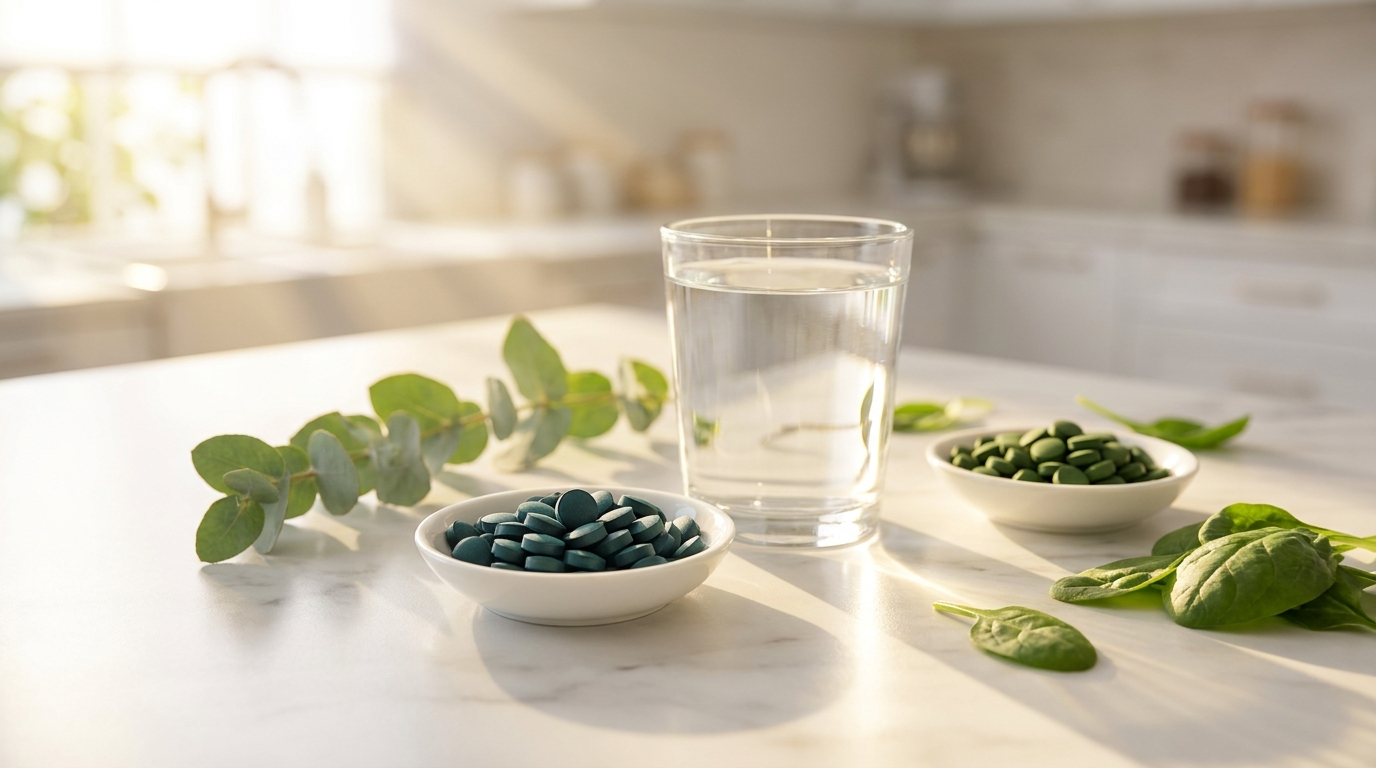
Feeling drained? Your iron intake may be part of the story.
Iron helps your body make hemoglobin, the protein in red blood cells that carries oxygen to your muscles, brain, and every tissue in between. When iron runs low, your cells get less oxygen, and the result often feels like a deep, stubborn fatigue that coffee cannot fix. Many people also notice brain fog, cold hands, or feeling winded on the stairs. If that sounds familiar, you are not imagining it, and food choices can be one gentle lever you control. For a deeper look at why steady energy starts with what you eat, see our guide on how algae supports natural energy.
Spirulina is a blue-green algae that is remarkably dense in nutrients for its size. Gram for gram, it is one of the most iron-rich plant foods available, which is a big reason it shows up in so many wellness routines. Because it is a whole food, that iron arrives alongside protein, B vitamins, and antioxidants rather than on its own. If you want the full picture of what makes it special, our roundup of the top benefits of spirulina is a great next read, and you can also explore how it works as a clean source of plant protein.
Here is an approximate look at how a typical serving of spirulina stacks up against other well-known iron sources. Values are estimates and vary by brand, portion, and preparation.
| Food | Serving | Approx. iron |
|---|---|---|
| Spirulina | 10 g (about 1 tbsp) | 2 to 3 mg |
| Cooked spinach | 1/2 cup | 3 mg |
| Cooked lentils | 1/2 cup | 3 mg |
| Pumpkin seeds | 1 oz (28 g) | 2 to 3 mg |
| Tofu | 1/2 cup | 3 mg |
The takeaway is not that spirulina beats every food, but that a small daily scoop delivers meaningful plant iron in a very compact package, which makes it easy to layer into an already iron-friendly diet.
Here is the honest nuance: the iron in plants is called non-heme iron, and your body absorbs it a little less efficiently than the heme iron found in meat. The good news is that a simple pairing helps. Vitamin C can meaningfully boost how much non-heme iron your body takes up, so enjoying spirulina alongside citrus, bell peppers, strawberries, or a squeeze of lemon is an easy win. This is why spirulina may support healthy iron levels most effectively when it is part of a thoughtful, balanced plate rather than eaten in isolation.
No, and this part matters. Spirulina is a food that may help you support healthy iron levels as part of a balanced diet, but it is not a treatment for diagnosed iron-deficiency anemia. If you have been diagnosed with anemia, are pregnant, are nursing, or take medication, please talk with your healthcare provider before changing your routine or relying on any supplement. Iron needs are personal, and some people require prescribed therapy that food alone cannot match. Because low iron and low B12 can produce overlapping symptoms like fatigue, it is also worth understanding how B12 deficiency shows up so you and your doctor can look at the full picture.
One of the most iron-rich plant foods on the planet, in a simple daily tablet. Add it to your balanced diet and feel the difference consistency makes.
Shop Spirulina →Simple, science-first tips to build spirulina into your everyday routine, delivered straight to your inbox.
Send me the guide →Yes. Spirulina is one of the most iron-rich plant foods available, and because it is a whole food, that iron comes packaged with protein, B vitamins, and antioxidants. A small daily serving adds meaningful plant iron to your diet.
Pair it with vitamin C. Foods like citrus, bell peppers, strawberries, or a squeeze of lemon can boost how much non-heme plant iron your body takes up, so enjoy spirulina alongside them for the best effect.
No. Spirulina is a food that may support healthy iron levels as part of a balanced diet, but it is not a treatment for diagnosed anemia. If you have anemia, always follow the plan your healthcare provider prescribes.
Yes, especially if you have diagnosed anemia, are pregnant, are nursing, or take medication. Iron needs are personal, and your provider can help you decide whether spirulina fits your individual situation.


