



Spirulina for Menopause: Energy, Iron and Daily Support
, by The ENERGYbits® Team, 7 min reading time
, by The ENERGYbits® Team, 7 min reading time
Perimenopause and menopause can bring fatigue, shifting iron needs, and muscle changes. Here is how spirulina, a nutrient-dense green algae, may offer gentle, caffeine-free daily support.
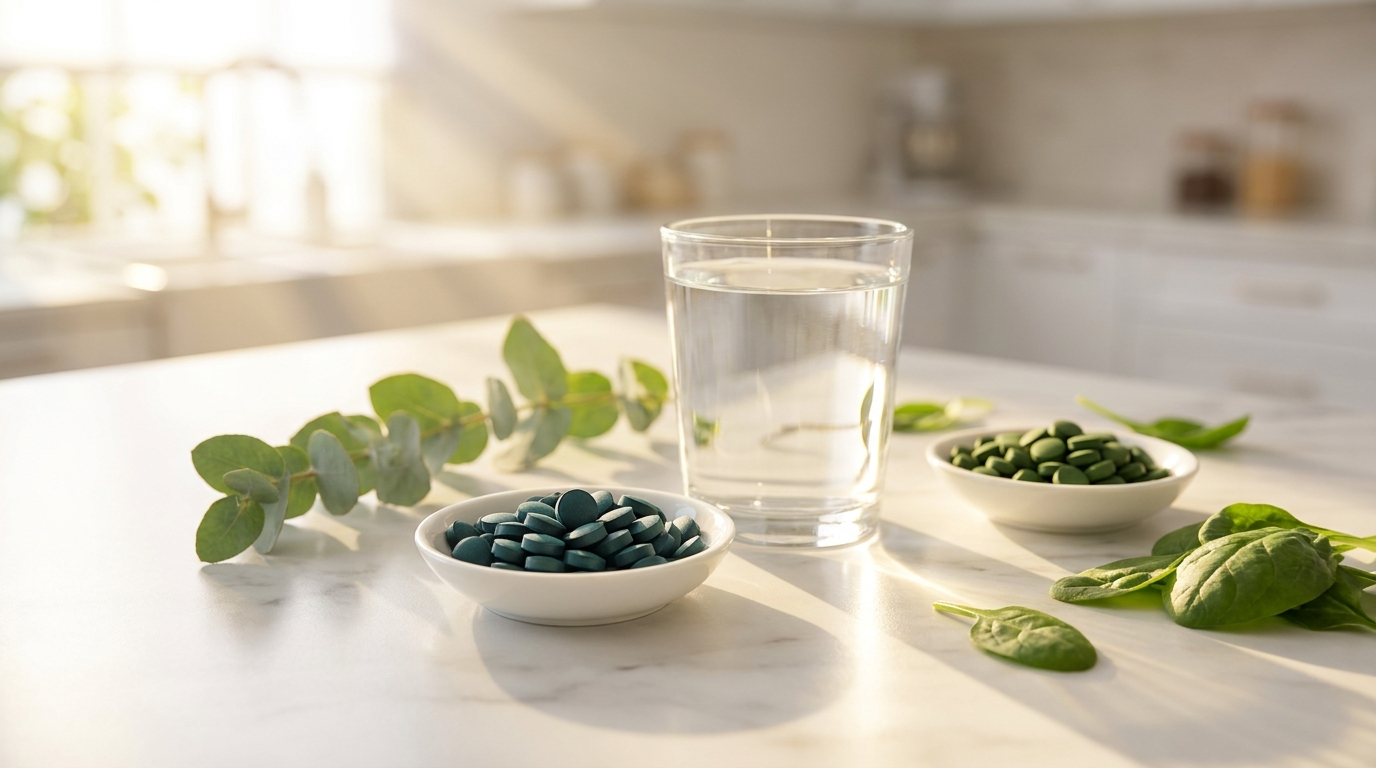
Simple, whole-food nutrition to lean on through the menopause years.
Perimenopause and menopause bring shifting hormones, and with them a familiar list of frustrations: afternoon fatigue, restless sleep, changes in appetite, and a body that no longer bounces back the way it once did. Many women in their forties and fifties tell us they simply want steady, honest energy without another cup of coffee jangling their nerves.
This is where a whole-food source of nutrition can quietly help. Spirulina is one of the most nutrient-dense foods on earth, and it delivers those nutrients in a form your body recognizes. If you are new to it, our overview of spirulina benefits for women is a warm place to begin. You can also keep a bag of ENERGYbits spirulina tablets on the counter as a simple daily anchor.
Fatigue is one of the most common menopause complaints, and it rarely responds well to more caffeine. Spirulina takes a different route. It is roughly 60 percent complete protein and rich in B vitamins and iron, the building blocks your cells use to make energy. Because it works with your body rather than overriding it, the lift tends to feel calm and sustained rather than a spike followed by a crash. Research suggests spirulina may support healthy energy levels, and we explore the topic further in our guide to whether spirulina gives you energy.
Iron needs shift through this stage of life. During perimenopause, heavier or irregular periods can draw iron down, and low iron is a well-known driver of tiredness and that foggy, worn-out feeling. Spirulina is a plant source of iron along with the B vitamins that help your body put iron to work. If iron is on your mind, our article on spirulina for iron deficiency walks through the details in plain language.
After midlife, maintaining muscle becomes more important and a little more effort. Muscle supports strength, balance, and a steady metabolism, and protein is the raw material. Spirulina offers complete plant protein with all nine essential amino acids, a helpful complement to the meals you already eat. Its antioxidants, including phycocyanin (the pigment that gives spirulina its deep blue-green color), may help the body manage everyday oxidative stress, and early research suggests spirulina may support healthy cholesterol and metabolism during this life stage.
Every woman experiences this season differently. The table below pairs common concerns with the spirulina nutrient that may relate, so you can see where a daily habit might fit for you.
| Common menopause concern | Spirulina nutrient that may relate | Why it may matter |
|---|---|---|
| Afternoon fatigue, low stamina | B vitamins, iron, complete protein | Support the body's natural energy production without caffeine |
| Low iron from heavier periods | Plant iron plus B vitamins | Iron is central to carrying oxygen and easing tiredness |
| Muscle loss, slower metabolism | Complete plant protein | Protein helps maintain lean muscle and daily strength |
| Everyday oxidative stress | Phycocyanin antioxidants | May help the body manage free radicals |
| Heart and cholesterol awareness | Phycocyanin, plant nutrients | Early research suggests support for healthy cholesterol |
Consistency matters more than perfect timing. Many women take spirulina in the morning as part of a calm routine, though it fits any time of day that you will remember. For guidance, see our notes on the best time to take spirulina and chlorella and our spirulina dosage guide. Start with a modest serving, drink a full glass of water, and let it become a small daily ritual you look forward to.
ENERGYbits spirulina tablets are pure algae with no fillers, offering caffeine-free energy, plant iron, and complete protein in one simple step.
Shop ENERGYbits SpirulinaJoin our newsletter for warm, practical tips on energy, iron, and whole-food wellness through every stage of life.
Sign me upSpirulina may support healthy energy levels because it delivers B vitamins, iron, and complete protein, the nutrients your cells use to produce energy. Because it is caffeine-free, the support tends to feel steady rather than a spike and crash. It is a supportive daily habit, not a treatment for any medical condition.
Spirulina is a plant source of iron and also provides B vitamins that help the body use iron. Since iron needs can shift during perimenopause, some women find it a helpful addition. If you suspect low iron, ask your healthcare provider to check your levels.
A common approach is to start with a modest daily serving and stay consistent, taken with a full glass of water. Timing is flexible, so choose whatever moment you will remember. Our dosage guide offers more detail to help you find a comfortable amount.
Spirulina is a food, yet it is always wise to check first. If you are pregnant, nursing, taking medication, or managing a health condition, speak with your healthcare provider before starting spirulina or any new supplement.


